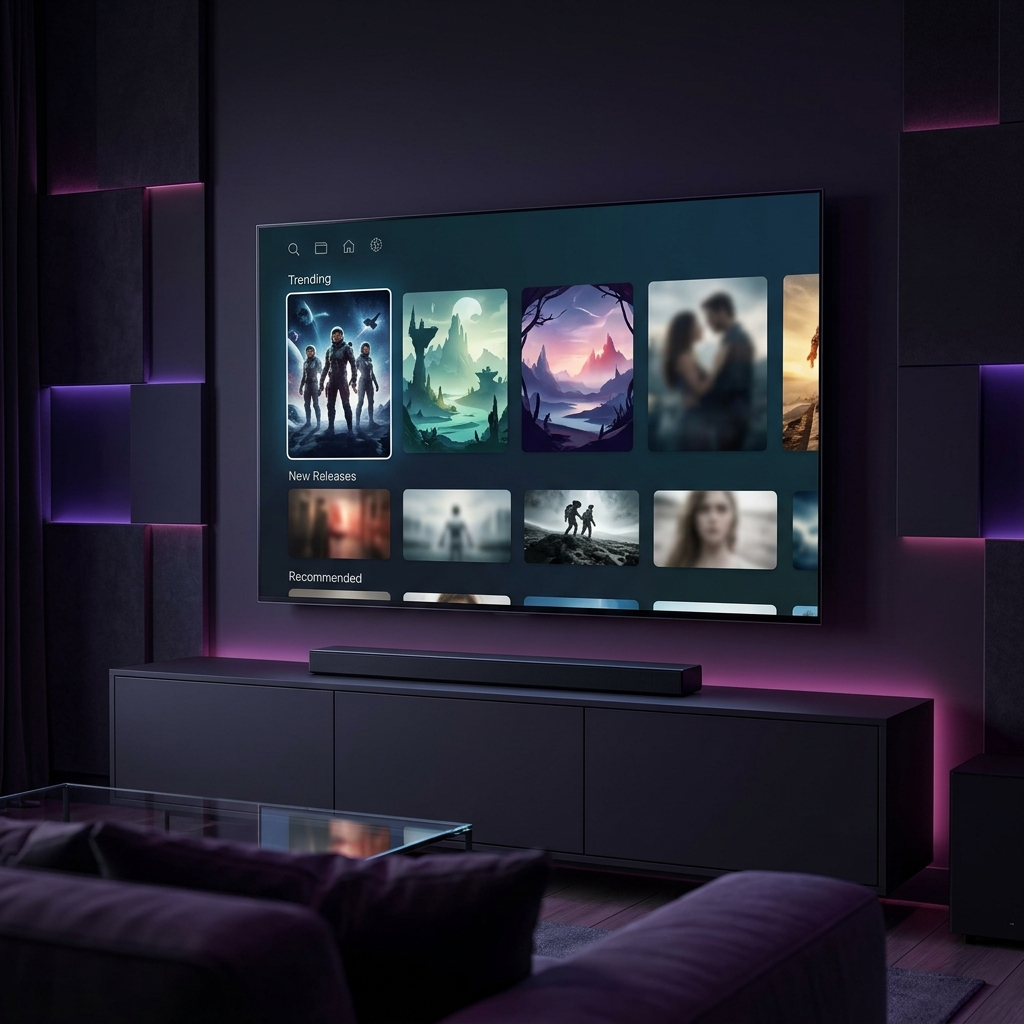
The Best Free Streaming Apps for Movies and TV Shows Without a Subscription

Marcus
Tech Editor & Streaming Specialist
The Best Free Streaming Apps for Movies and TV Shows Without a Subscription
Subscription fatigue has become the defining frustration of the modern streaming era. What began as a single affordable alternative to cable television has splintered into a dozen competing services each demanding ten to twenty dollars monthly for access to their exclusive content libraries. A household subscribing to three or four major platforms easily spends sixty to eighty dollars monthly on streaming alone approaching the same cable television pricing that drove the cord-cutting movement in the first place.
An entire category of streaming platforms exists that most viewers either ignore completely or dismiss as low-quality repositories of obscure unwatchable content. Free ad-supported streaming services have undergone a dramatic transformation over the past several years evolving from dumping grounds for expired licenses into genuinely compelling entertainment destinations carrying thousands of quality titles across every genre. The content libraries on today's leading free platforms would have been premium paid offerings just five years ago.
This guide examines the free streaming landscape in 2026 comparing content quality library depth device compatibility and advertisement frequency across the leading platforms. You will discover which free apps carry the strongest film libraries which excel in television series offerings and how combining multiple free platforms creates a content ecosystem that genuinely rivals the paid subscriptions draining your monthly budget.
How Free Streaming Platforms Make Money Without Charging You
Understanding the business model behind free streaming apps explains why the content quality has improved so dramatically and why these platforms are sustainable long-term entertainment sources rather than temporary experiments that will disappear or start charging subscription fees. The revenue mechanism is straightforward and proven through decades of traditional broadcast television economics.
Free streaming platforms operate on an advertising-supported model where brands pay the platform to display commercial messages during content playback. Each time you watch a thirty-second advertisement between content segments the platform earns revenue from the advertising brand. The aggregate advertising revenue across millions of viewers funds the content licensing agreements that stock the platform library with movies and television series. This is precisely the same economic model that funded free broadcast television for over seventy years before cable and streaming subscriptions became dominant.
The advertising load on free streaming platforms is significantly lighter than traditional broadcast television. Where a one-hour broadcast television program includes sixteen to twenty minutes of commercial interruptions free streaming platforms typically insert four to six minutes of advertisements per hour of content. Ad breaks arrive every fifteen to twenty minutes with each break lasting sixty to ninety seconds containing two to three individual advertisements. This reduced ad frequency reflects the competitive pressure from paid ad-free services. Free platforms that overload their content with excessive advertising drive viewers back to paid subscriptions so they maintain a deliberate balance that keeps the ad experience tolerable while generating sufficient revenue to maintain attractive content libraries.
What Kind of Content You Actually Find on Free Streaming Platforms
The most persistent misconception about free streaming apps is that they only carry ancient low-quality content that nobody wants to watch. This perception was partially accurate five years ago when free platforms operated with minimal content licensing budgets. The landscape in 2026 is fundamentally different. Major entertainment studios now actively license recent popular titles to free platforms as a deliberate distribution strategy that generates advertising revenue from audiences who would never pay subscription fees to access the same content.
Movie libraries on leading free platforms include recent theatrical releases that finished their paid exclusive streaming windows. A film that premiered in theaters then moved to a paid streaming service for its exclusive window frequently appears on free ad-supported platforms twelve to eighteen months after theatrical release. This means popular films from the past two to three years cycle continuously through free platform libraries providing a steady stream of recognizable high-quality titles alongside deep back-catalog libraries of classic cinema spanning every decade and genre.
Television series libraries on free platforms carry complete runs of popular shows from their original broadcast eras. Acclaimed dramas beloved comedies and cult-favorite series that originally aired on broadcast and cable networks appear in their entirety with every season and every episode available for free viewing. Some free platforms have begun producing original exclusive series and documentary content that attracts viewers specifically to their platform creating premiere content that exists only in the free ad-supported ecosystem.
Live television channels represent an increasingly important content category on free platforms. Many free streaming apps include dozens of linear streaming channels organized by genre that broadcast continuous programming twenty-four hours daily. These channels function like traditional cable channels with scheduled programming and real-time broadcasts but require no subscription and no cable connection. Simply open the app navigate to the live channels section and browse genre categories until you find a channel broadcasting content that interests you.
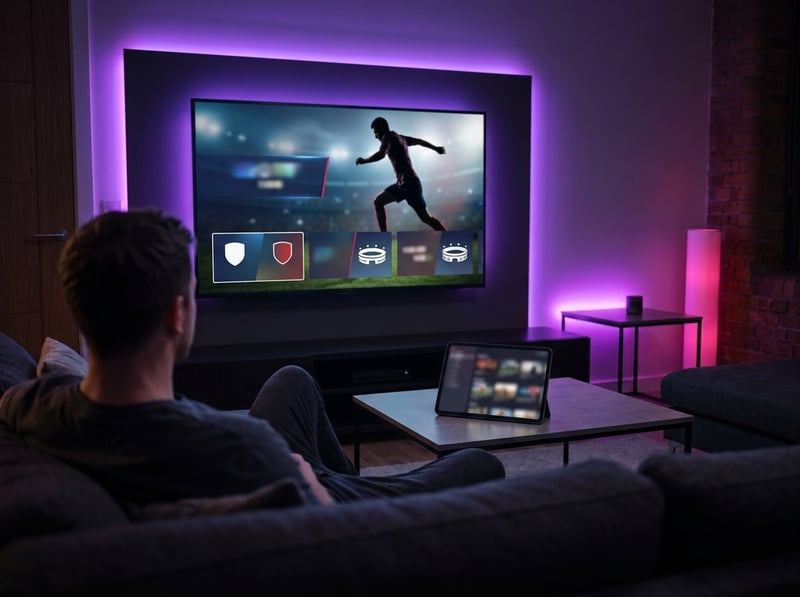
Picture Quality and Streaming Performance on Free Platforms
A common concern among potential users is whether free platforms deliver inferior video quality compared to paid services. The assumption that free must mean low quality is understandable but incorrect in practice. Leading free streaming platforms encode their content using the same industry-standard video codecs at comparable bitrates to paid competitors delivering genuine high definition and increasingly 4K ultra high definition picture quality on capable devices.
Most major free streaming apps deliver 1080p full HD content as their standard quality tier with adaptive bitrate streaming that adjusts resolution based on your internet connection speed. Premium titles on several platforms now stream at 4K resolution with HDR metadata on compatible smart televisions and streaming devices. The visual quality during actual playback is indistinguishable from paid platforms streaming the same content at the same resolution and bitrate.
The primary quality difference between free and paid platforms is not the video encoding itself but the content catalog at each quality tier. Paid platforms deliver virtually their entire library in HD or 4K. Free platforms may stream some older catalog titles at standard definition while reserving HD and 4K encoding for newer and more popular content. As free platform revenues grow from expanding advertiser investment the proportion of the library available in high definition continues increasing with most leading free platforms now delivering over eighty percent of their catalog in full HD or better.
Device Compatibility Across Every Major Streaming Platform
Free streaming apps invest heavily in broad device compatibility because their advertising revenue model scales directly with viewer hours. Every additional device platform they support increases their potential audience which increases advertising impressions which increases revenue. This economic incentive means free platforms are available on virtually every connected device consumers own.
Smart televisions from Samsung LG Sony Vizio and other major manufacturers include free streaming applications pre-installed or available through their built-in app stores. Many smart TV platforms feature free streaming content directly in their operating system home screen content recommendations alongside paid services giving free content equal prominence in the content discovery interface. This integration means you may already have access to thousands of free movies and shows through apps already installed on your television.
Streaming devices including Roku-based players and compatible streaming sticks and set-top boxes all support free streaming apps through their respective app stores. Installation takes seconds and most free apps begin playing content immediately after a quick optional registration. Some streaming device platforms aggregate free content from multiple services into a unified search and recommendation system that surfaces free viewing options alongside paid alternatives helping you discover that a title available for purchase on one service is available free with ads on another.
Mobile devices including phones and tablets run free streaming apps downloaded from standard app stores. Mobile viewing on free platforms includes the same content libraries available on television apps with identical quality tiers and offline download capability on some platforms for viewing during travel without internet connectivity. Browser-based viewing through desktop and laptop computers provides another access point for free content without installing any application.
Managing the Ad Experience for Comfortable Free Viewing
The trade-off for free content access is periodic advertisement interruptions during playback. Accepting this trade-off gracefully rather than fighting it makes the free viewing experience genuinely enjoyable. Several practical strategies minimize the subjective impact of advertisements without violating platform terms of service or installing problematic ad-blocking software that can cause playback failures.
Use advertisement breaks as natural pause points during viewing. Rather than staring impatiently at a thirty-second commercial use the brief interruption to check your phone refill a drink or stretch. The advertisement break functions identically to the natural pause moments you would choose during content viewing anyway. Reframing the ad break as a built-in pause rather than an unwanted interruption shifts your psychological relationship with the advertising from adversarial to neutral.
Schedule your free streaming viewing for content where brief interruptions matter least. Television series with episodic structures feel natural with ad breaks placed between scene transitions. Light comedies and casual dramas flow smoothly through periodic interruptions. Save your paid ad-free subscriptions for content where immersive uninterrupted viewing genuinely enhances the experience such as intense dramatic films or visually spectacular cinema that demands sustained focused attention without disruption.
Some free platforms offer optional premium tiers that remove advertisements for a modest monthly fee typically four to six dollars. If you discover that a particular free platform becomes your primary entertainment source and the ad frequency bothers you upgrading that single platform to ad-free still costs dramatically less than maintaining multiple paid streaming subscriptions. This selective upgrade approach gives you one or two ad-free platforms for priority content and several free platforms for casual browsing at a fraction of a full paid subscription portfolio.
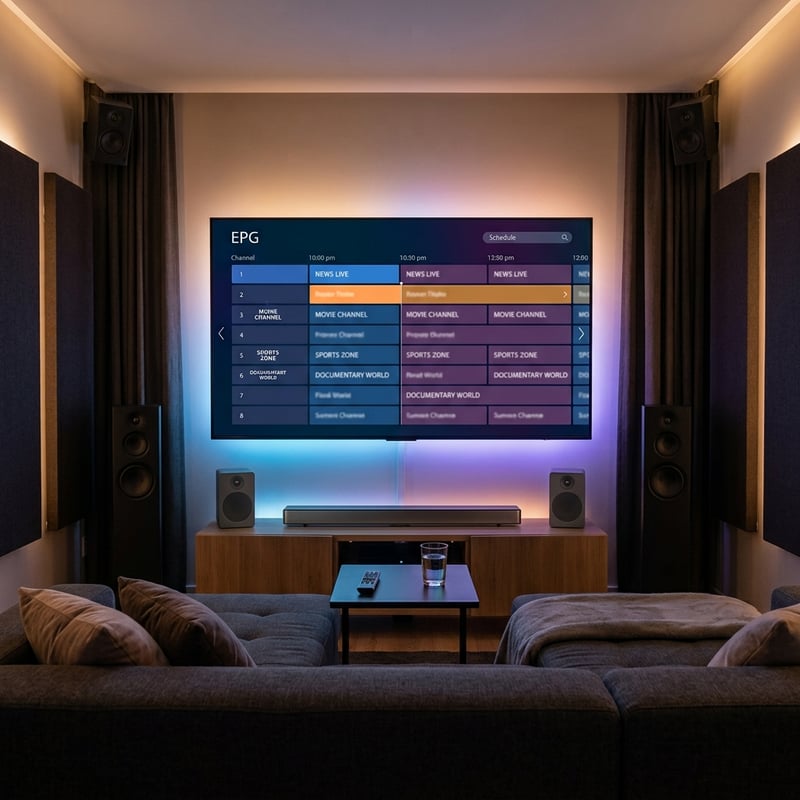
Building a Complete Entertainment Stack With Zero Monthly Subscription Cost
The most powerful application of free streaming platforms is combining multiple services into a comprehensive entertainment stack that provides access to thousands of movies and series and live channels without any recurring monthly charges. Each free platform carries a different content library based on their individual licensing agreements. A title available on one platform may not appear on another. By installing three or four free apps you gain access to the combined catalog of all of them dramatically expanding your available entertainment options.
Start by identifying which free platforms are already available on your primary streaming device. Most smart TVs and streaming devices have several pre-installed or prominently featured in their app stores. Install all available free streaming apps and browse each library to understand their content focus. Some platforms specialize in movies while others emphasize television series. Some focus on classic catalog titles while others prioritize recent releases. Some offer extensive live channel lineups while others focus exclusively on on-demand content.
Create a watchlist on each platform marking titles that interest you. When you sit down to watch content browse your watchlists across apps to see what appeals in the moment. This multi-platform approach means you always have fresh content options available because each platform adds new titles on different schedules. A slow content week on one platform typically coincides with strong new additions on another keeping your combined entertainment pipeline consistently full.
Layer your free streaming stack with a free over-the-air antenna for live local broadcast channels and you have assembled a comprehensive entertainment system delivering live television on-demand movies and complete series libraries at a total monthly cost of zero dollars. This zero-cost entertainment architecture proves that cutting the cord does not require replacing cable with an equivalent monthly subscription burden. It simply requires knowing where to find the enormous volume of quality free content that the streaming ecosystem makes available to anyone willing to accept occasional advertisement breaks as the price of admission.
Frequently Asked Questions
Ready to get started?
Try our service risk-free with a 24-hour free trial.
Related Articles
Unlocking British IPTV: Your Comprehensive 2026 Guide
Explore British IPTV subscriptions and troubleshooting tips.
Discover the Top Rated IPTV Services for 2026: A Comprehensive Guide
Uncover the best top rated IPTV services and apps.
Discover the Best IPTV UK Options for 2026: Complete Guide
Uncover the top IPTV UK options for streaming in 2026.