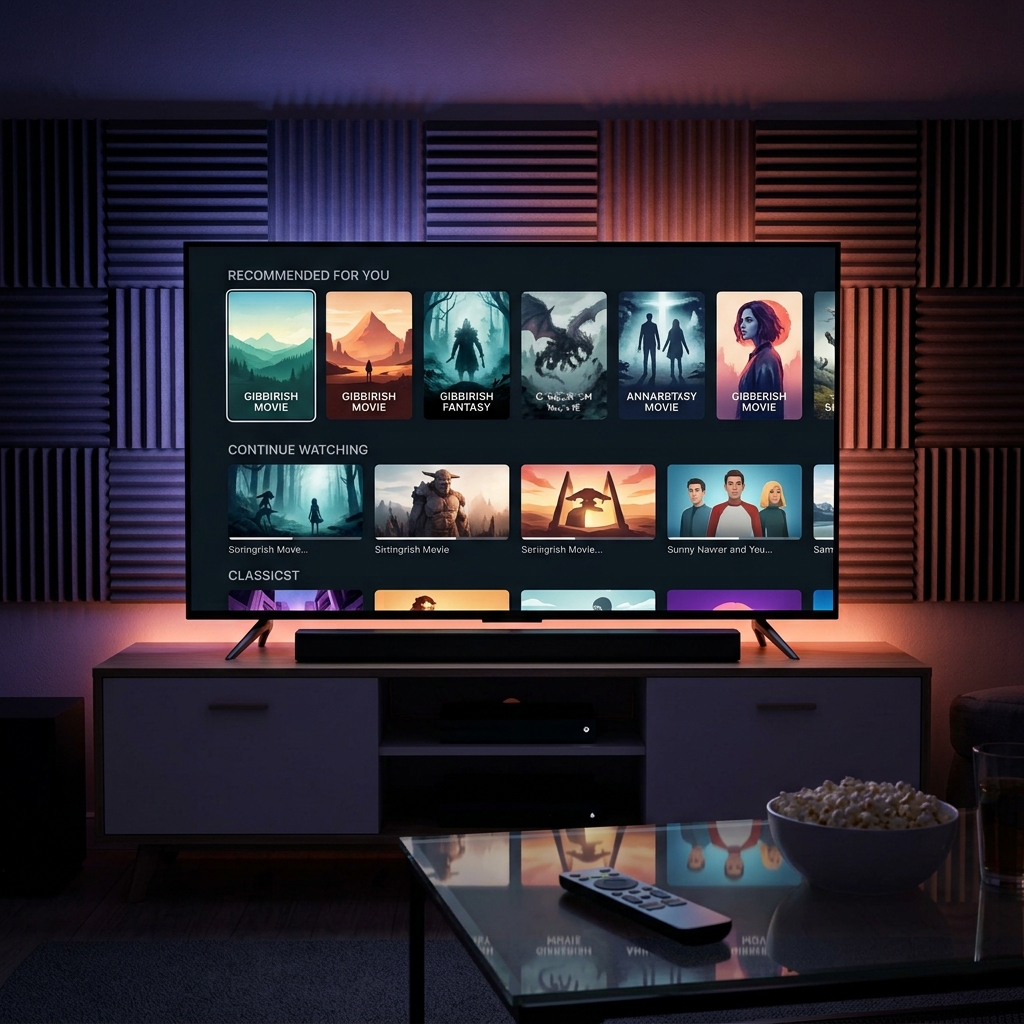
How to Build a Home Theater System That Sounds and Looks Like a Real Cinema

David
Online Safety & Encryption Expert
How to Build a Home Theater System That Sounds and Looks Like a Real Cinema
You walk into a commercial cinema and the experience overwhelms your senses before the feature even begins. The screen stretches beyond your peripheral vision filling your visual field with image. The sound envelops you from every direction with distinct audio arriving from the front sides overhead and behind you. The bass from the subwoofers vibrates through the floor and your seat. The room is dark and isolated from distractions. Every design element conspires to pull you completely inside the story unfolding on screen.
That immersive experience is achievable at home. Not a cheap approximation or a watered-down compromise but a genuine recreation of the cinema experience customized to your room your preferences and your budget. The technology required to build a home theater has become dramatically more affordable and accessible over the past decade. Displays that cost tens of thousands five years ago now sell for under two thousand. AV receivers that process advanced audio formats cost a fraction of their predecessors. Speaker systems engineered for home cinema deliver performance that rivals commercial installations at consumer pricing.
This guide covers every component required to build a home theater from the ground up. Each section explains what the component contributes to the overall experience how to select the right option for your room and budget and how to install and configure it for optimal performance. Whether you build the entire system at once or assemble it incrementally over months the end result transforms an ordinary room into a private cinema that makes every movie every live event and every streaming session a genuinely immersive experience.
Choosing Your Display and Deciding Between a Large TV or Projector
The display is the visual anchor of your home theater and the first decision that shapes every subsequent component choice. Two fundamentally different display technologies serve the home theater market and each excels in different room environments and at different budget levels. Your room characteristics and viewing priorities determine which technology delivers the best experience for your specific situation.
A large-format television seventy-five inches or larger provides the highest per-pixel image quality with self-emitting brightness that performs brilliantly in any ambient light condition. Premium display panels deliver perfect black levels infinite contrast and peak brightness exceeding two thousand nits that makes HDR content genuinely stunning. The limitation is screen size. The largest mainstream televisions max out at eighty-five inches which creates impressive but not truly immersive screen coverage at typical seating distances of ten to twelve feet.
A projector produces screen sizes from one hundred to one hundred fifty inches or larger delivering the screen scale that truly replicates the cinema experience. At a ten-foot seating distance a one hundred twenty inch projected image fills your peripheral vision creating the visual immersion that distinguishes home theater from casual television viewing. Modern laser projectors deliver excellent brightness and color accuracy that approaches television quality in controlled lighting environments. The trade-off is the requirement for a darkened room to achieve optimal contrast and the additional considerations of screen surface selection and projector placement.
For dedicated theater rooms that can be properly light-controlled a projector delivers the most cinema-authentic experience at any budget level. For multi-purpose living spaces where complete light control is impractical a large-format television provides consistently excellent image quality regardless of ambient conditions. Some enthusiasts install both using a projector for dedicated movie nights and a television for casual everyday viewing in the same room.
Understanding Surround Sound Speaker Configurations
The audio system creates the immersive dimension that separates home theater from ordinary television viewing. While displays have become individually impressive enough to enjoy casually the audio experience requires multiple coordinated speakers positioned around the listener to create a three-dimensional sound field that wraps sound around you from every direction. This spatial audio immersion is what makes action sequences thrilling dialogue intimate and musical scores emotionally overwhelming.
A 5.1 system is the foundational home theater configuration consisting of five speakers and one subwoofer. The front left and front right speakers handle the primary stereo music bed and wide sound effects. The center channel speaker positioned directly above or below the display handles dialogue anchoring voices firmly to the screen. Two surround speakers positioned behind and to the sides of the seating area create the ambient environmental audio and directional effects that place sounds behind the listener. The subwoofer handles all frequencies below eighty hertz providing the deep bass impact that makes explosions thunder and musical bass physically felt in your chest and seat.
A 7.1 system adds two additional surround speakers expanding the rear sound field from two points to four. This creates more precise directional positioning for surround effects and smoother audio transitions as sounds move from front to rear through the expanded speaker array. The additional speakers improve the sense of complete immersion by filling gaps in the surround coverage that a 5.1 system leaves between the side and rear positions.
Height channels added above the primary speaker plane create overhead audio that enables three-dimensional sound formats. A 5.1.2 or 7.1.4 configuration adds upward-firing or ceiling-mounted speakers that reproduce sounds from above the listener. Rain falling on a rooftop. Aircraft passing overhead. Atmospheric ambiance filling the space above. These height channels transform the surround field from a horizontal ring around the listener into a complete dome of sound that envelops from every direction including above.
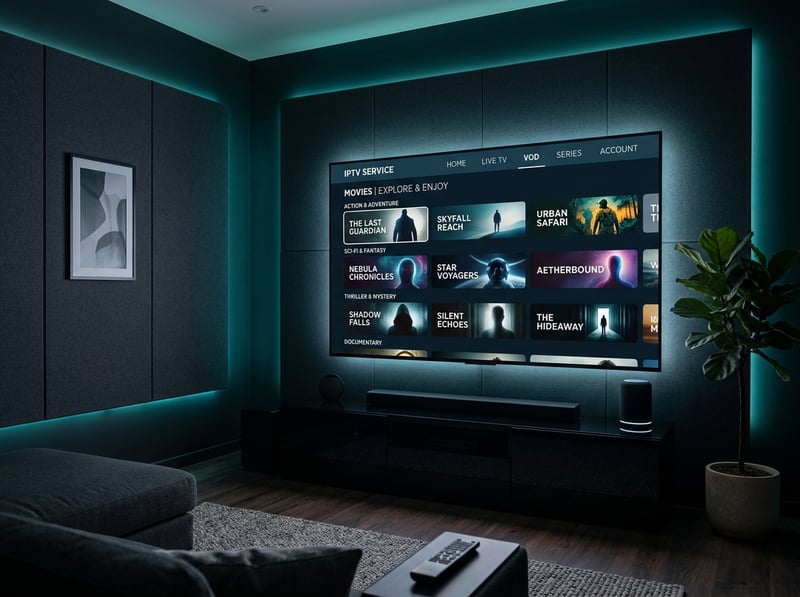
Speaker Placement Principles for Maximum Surround Immersion
Correct speaker placement determines whether your surround system creates a convincing three-dimensional sound field or produces a disjointed collection of sounds from obviously separated speaker locations. The difference between properly placed and poorly placed speakers using identical equipment is dramatic and immediately audible to every listener regardless of their audio experience level.
Position the center channel speaker directly above or below the display as close to ear height as possible. This speaker handles over sixty percent of a typical film soundtrack carrying all dialogue. When placed correctly dialogue appears to originate from the actors on screen rather than from a speaker offset from the image. Angling the center speaker slightly upward or downward to aim at ear height at the primary seating position ensures maximum vocal clarity.
Place front left and right speakers at equal distance from the center forming an angle of approximately twenty-two to thirty degrees from the center channel relative to the primary seating position. These speakers should be at ear height or within twelve inches of it. Tilt each speaker inward slightly so the driver faces the listener directly. The stereo imaging produced by correctly positioned front speakers creates a wide sound stage that matches the visual width of the display.
Surround speakers in a 5.1 system should be positioned to the sides and slightly behind the primary seating position at ear height or one to two feet above. Placing surround speakers directly behind the listener rather than to the sides collapses the surround field and makes directional effects feel unnatural. The ideal position is approximately one hundred to one hundred twenty degrees from center which places the speakers at the four and eight o'clock positions relative to the forward-facing listener.
The AV Receiver and Why It Is the Brain of Your Home Theater
The AV receiver is the central processing hub that connects every source device manages all audio processing and powers your speaker system. Every HDMI cable from streaming devices gaming consoles and disc players connects to the receiver input ports. The receiver routes the video signal to your display through a single HDMI output while simultaneously extracting the audio stream and distributing it to each speaker in your surround configuration. Without a receiver you cannot properly process multi-channel audio formats or power a multi-speaker system from source devices that output through HDMI.
Modern AV receivers decode all current surround sound formats automatically detecting the audio format embedded in each source and applying the appropriate processing. Standard surround mixes distribute audio to your 5.1 or 7.1 speaker configuration using the discrete channel assignments the content creator intended. Object-based spatial audio formats go further by processing audio objects with positional metadata that the receiver maps to your specific speaker layout creating precisely positioned sounds that move through three-dimensional space around your room.
Power output specifications determine how loudly and how cleanly your receiver can drive your speakers. A receiver rated at one hundred watts per channel provides sufficient power for medium-sensitivity speakers in rooms up to four hundred square feet at reference listening levels. Higher wattage receivers are required for larger rooms lower sensitivity speakers or listeners who prefer cinema-reference volume levels that reproduce the sound pressure levels experienced in commercial theaters.
Room calibration is the single most important feature in a modern AV receiver. The included calibration microphone placed at your seating position captures test tones played through each speaker. The receiver analyzes the acoustic response measuring distance delay frequency response and level for each channel. It then applies precise corrections that compensate for your room specific acoustic characteristics including reflections absorption and speaker placement compromises. The calibrated result produces dramatically better sound than manual configuration regardless of the user audio expertise level.
The Subwoofer and Adding Physical Impact to Your Audio Experience
The subwoofer handles the lowest octaves of the audio spectrum producing the deep bass frequencies that you feel physically rather than merely hear through your ears. The visceral chest-thumping impact of an explosion the rumbling menace of approaching danger the powerful foundation of a musical score and the atmospheric pressure of a thunderstorm all originate from the subwoofer. Without one your home theater sounds thin and weightless no matter how excellent your other speakers may be.
Subwoofer driver size directly correlates with bass extension depth and output capability. A ten-inch driver reproduces bass down to approximately thirty hertz with moderate output levels suitable for small to medium rooms. A twelve-inch driver extends lower and plays louder providing authoritative bass in medium to large rooms. Fifteen and eighteen inch drivers produce the deepest most powerful bass output but require larger enclosures and produce more room interaction that demands careful placement.
Placement significantly affects subwoofer performance because bass frequencies interact strongly with room dimensions and boundaries. The classic recommendation of placing the subwoofer in a front corner leverages room boundary reinforcement to maximize bass output and extension. However corner placement can also excite room resonance modes that produce boomy uneven bass at certain frequencies. Experimenting with multiple positions and using the crawl method where you place the subwoofer at your seating position play bass-heavy content and crawl along the floor listening for the smoothest bass response at potential placement locations identifies the position that produces the best bass quality in your specific room.
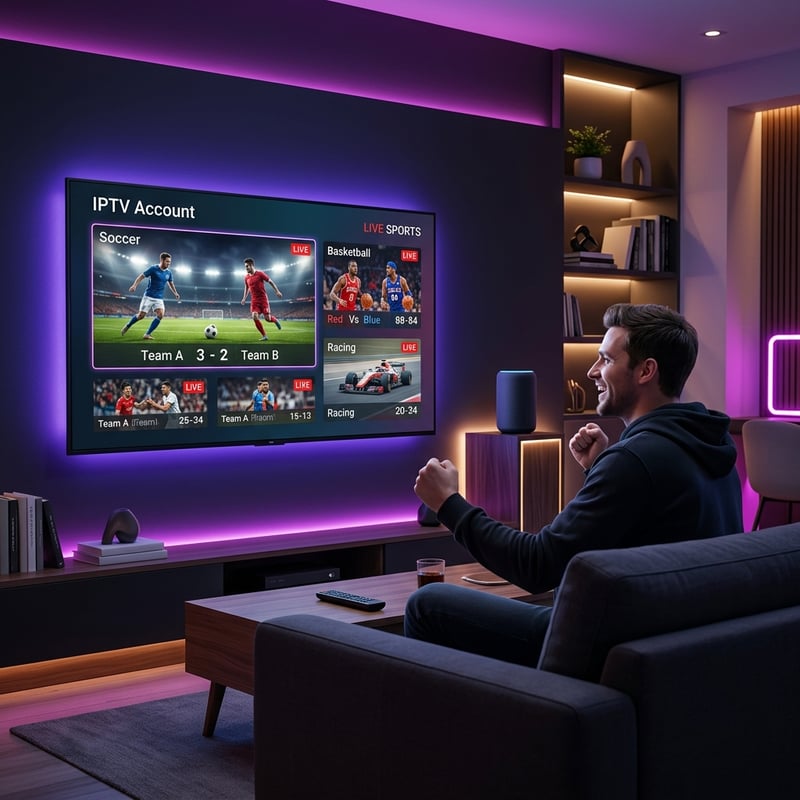
Room Treatment Basics That Dramatically Improve Your Audio Quality
The room your home theater occupies has as much influence on the audio quality you hear as the speakers and receiver you purchased. Sound waves interact with every surface in the room reflecting off hard walls bouncing between parallel surfaces and creating resonance patterns that color the audio with room-specific artifacts. Untreated rooms produce harsh reflections that smear dialogue clarity boomy bass from standing waves at specific frequencies and uneven volume distribution across different seating positions.
The highest impact acoustic treatment for a home theater is absorptive panels placed at the first reflection points on the side walls. First reflection points are the locations on each side wall where sound from the front speakers bounces directly toward the primary seating position. These reflections arrive at your ears milliseconds after the direct sound creating comb filtering that reduces clarity and imaging precision. Two-inch thick acoustic absorption panels mounted at these points absorb the reflected energy producing dramatically clearer dialogue and sharper directional imaging from the front speaker array.
Bass traps placed in room corners absorb low-frequency energy that accumulates in corners and produces boomy muddy bass response. Corner-mounted absorption panels or dedicated bass trap cylinders reduce standing wave energy at resonant room frequencies smoothing the bass response from your subwoofer across the seating area. The combination of first reflection absorption panels and corner bass traps addresses the two most significant acoustic problems in residential rooms producing an audible improvement that rivals upgrading to speakers costing twice as much.
Building Your Home Theater Incrementally Over Time
Building an entire home theater system simultaneously requires significant upfront investment that exceeds many household budgets. The beauty of a component-based system is that every individual piece functions independently and each addition produces a tangible improvement in your viewing experience. Building incrementally over months or years lets you spread the investment while enjoying progressive improvements with each new component.
Start with the AV receiver and a 3.1 speaker configuration. The center channel and two front speakers plus a subwoofer deliver dramatically better audio than any television speaker or soundbar for your streaming and movie content. This foundation system costs three hundred to six hundred dollars and provides the core infrastructure that every subsequent addition builds upon. The receiver processes surround formats from day one routing all audio through the available speakers with enhanced processing that simulates surround effects from the three-channel front stage.
Add two surround speakers when budget allows to complete the 5.1 configuration. The addition of rear channel speakers is the single most transformative upgrade in the incremental building process. The moment surround speakers activate for the first time the audio experience shifts from watching sound projected at you from the front to being immersed within a sound environment that wraps around your seating position. This is the upgrade where home theater separates from premium television audio into something genuinely different in kind rather than merely degree.
Height channels and additional surround speakers can follow whenever budget permits adding overhead dimensionality and expanded rear field precision that refine the immersive experience. Each addition improves the overall presentation but the core 5.1 system delivers the foundational cinema experience that makes every subsequent enhancement a luxury rather than a necessity. There is no wrong time to stop building. A well-configured 5.1 system satisfies most home theater enthusiasts for years before the desire for additional channels motivates the next expansion.
Frequently Asked Questions
Ready to get started?
Try our service risk-free with a 24-hour free trial.
Related Articles
Unlocking British IPTV: Your Comprehensive 2026 Guide
Explore British IPTV subscriptions and troubleshooting tips.
Discover the Top Rated IPTV Services for 2026: A Comprehensive Guide
Uncover the best top rated IPTV services and apps.
Discover the Best IPTV UK Options for 2026: Complete Guide
Uncover the top IPTV UK options for streaming in 2026.