

Streaming Service Comparison and How to Pick the Right Platforms for Your Household

IPTVBestStream Editorial Team
IPTV Buying Guides for the UK & Canada
Streaming Service Comparison and How to Pick the Right Platforms for Your Household
The streaming landscape has evolved from a simple choice between one or two dominant platforms into a fragmented marketplace where a dozen or more services compete for your monthly entertainment budget. Each platform promotes itself as the essential service you cannot live without. Each releases exclusive content designed to make cancellation feel like missing out. The collective marketing pressure pushes households toward subscribing to everything simultaneously which creates monthly entertainment costs that approach or exceed the cable bills these services were supposed to replace.
The solution is not subscribing to everything. The solution is understanding what each platform category genuinely delivers well where each falls short and which combination of two to three services covers your household specific viewing preferences at a cost that represents genuine savings over cable. A household that loves original prestige dramas needs different services than a household focused on children programming. A household that watches live sports needs a fundamentally different platform category than a household that watches only on-demand movies.
This comparison examines streaming services by category rather than by individual brand name because individual platforms change their pricing content libraries and feature sets frequently while the category distinctions remain stable. Understanding which category serves which need equips you to evaluate any specific platform within that category and make selection decisions that remain sound even as individual platforms evolve their offerings.
Original Content Platforms and What You Get for Premium Pricing
The highest-profile streaming platforms invest billions annually in producing exclusive original programming. Award-winning series. Blockbuster films. Documentary productions. Stand-up specials. This original content exists nowhere else and is the primary reason subscribers pay for these services. If a specific original series or film interests you the platform that produces it is the only way to watch it legally.
These platforms typically charge ten to twenty dollars monthly depending on the tier. Lower tiers include advertising between content. Mid tiers remove advertising. Premium tiers add features like offline downloads simultaneous streams on multiple devices and higher video quality including 4K HDR. The pricing tier that makes sense depends on how many household members watch simultaneously and whether advertising bothers you enough to pay extra for its removal.
The original content libraries on these platforms are smaller than catalog-focused services because original production is expensive and takes time. A platform spending billions on original content may release fifty to one hundred new original titles per year. Between releases the library can feel thin if you have already watched the titles that interested you. This consumption pattern is why monthly rotation works well for original content platforms. Subscribe when a batch of interesting new originals releases. Watch them over one to two months. Cancel and rotate to another platform until the next batch of originals you want to watch arrives.
Evaluate original content platforms by browsing their current libraries before subscribing rather than relying on marketing that promotes upcoming releases. A platform announcing an exciting show coming next year provides no value to your current month subscription. Browse what is available today and subscribe only when the current library contains enough content to justify the current month cost.
Catalog and Library Platforms for Breadth Over Exclusivity
Some streaming platforms differentiate through sheer library size rather than exclusive original productions. These services license thousands of movies and television series from multiple studios and production companies creating massive catalogs where you can browse for hours discovering content you never knew existed. The appeal is variety and discovery rather than specific must-watch exclusives.
Library-focused platforms suit households that enjoy browsing and discovering content spontaneously rather than seeking specific titles. When you sit down without a specific show in mind wanting to browse until something catches your interest a platform with ten thousand titles provides more browsing satisfaction than a platform with five hundred titles regardless of how prestigious those five hundred titles are. The size and diversity of the catalog determines how many browsing sessions produce satisfying discoveries.
These platforms frequently rotate their licensed content as licensing agreements expire and renew. A movie available today may leave the platform next month when its license expires and appear on a competitor platform that acquired the next licensing window. This rotation means the library is constantly changing with titles arriving and departing on monthly cycles. The content you want to watch may not be available indefinitely so discovering and watching titles promptly avoids disappointment when they rotate off the platform.
Monthly pricing for catalog platforms typically sits at eight to fifteen dollars which is slightly below the pricing for original content platforms. The lower pricing reflects the lower production cost of licensing existing content versus creating new original productions. For budget-conscious households these platforms provide more content per dollar spent than any other paid streaming category making them excellent value for viewers who prioritize quantity and variety over exclusive premieres.
Live TV Streaming Services for Real-Time Channel Access
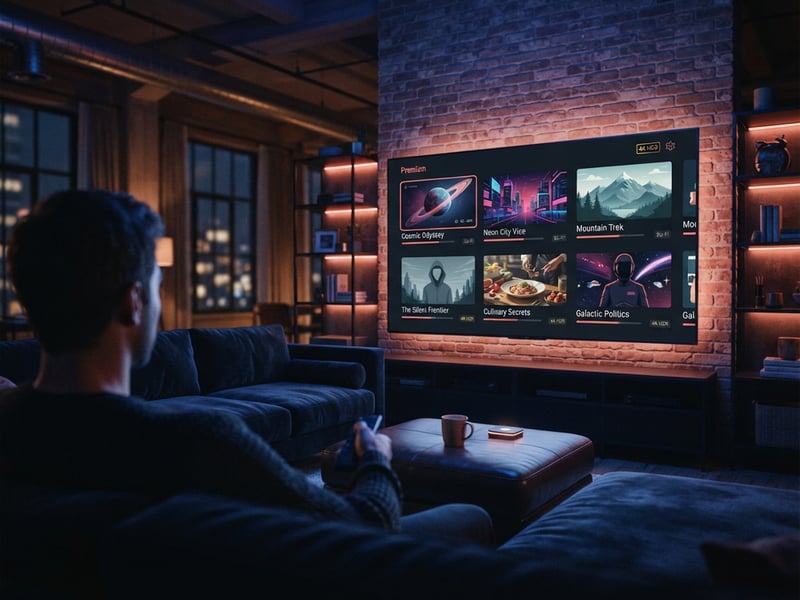
Live TV streaming services deliver traditional television channels through internet streaming rather than through cable or satellite infrastructure. These services carry forty to ninety live channels including news networks sports channels entertainment channels and local broadcast affiliates. The viewing experience replicates cable television with a channel guide that shows what is currently airing on each channel and a remote that flips between channels in real time.
These services exist primarily for two viewer categories. Sports fans who need live game broadcasts and news viewers who want live twenty-four-hour news channels. Both categories require real-time delivery that on-demand platforms cannot provide because the content value depends on watching events as they happen. A recorded game watched the next day after the outcome is already known delivers a fundamentally different experience than watching the game live. Live TV streaming services preserve this real-time experience through internet delivery.
The pricing for live TV streaming services ranges from thirty-five to seventy-five dollars monthly which approaches and sometimes exceeds the cost of basic cable packages. The value proposition is not significant cost savings over cable but rather contract-free flexibility device portability and the elimination of cable equipment rental fees. You can cancel any month without penalty. You can watch on any device anywhere with internet access. You do not pay monthly equipment fees for cable boxes and DVR hardware.
Cloud DVR functionality included with most live TV streaming services allows recording live broadcasts for later viewing. Storage capacity varies by service from fifty hours to unlimited depending on the plan tier. The cloud DVR eliminates the need for physical recording hardware and stores recordings accessible from any device. For households that want live TV flexibility with time-shifting capability cloud DVR provides recording functionality that surpasses traditional cable DVR in accessibility and convenience.
Free Ad-Supported Streaming Platforms That Cost Nothing
The most overlooked category in the streaming landscape is free ad-supported platforms that deliver thousands of movies and shows and live channels at absolutely zero monthly cost. These platforms generate revenue entirely through advertising displayed during content playback eliminating the need for subscriber fees. The advertising model mirrors traditional broadcast television where commercial breaks interrupt content every ten to fifteen minutes.
The content libraries on free platforms have expanded dramatically over the past three years. Popular movies that previously required paid subscriptions now appear on free platforms after their exclusive licensing windows expire. Classic television series spanning decades of programming fill the catalog alongside more recent seasons of popular shows. Live linear channels programmed like traditional TV stations run twenty-four hours daily providing a lean-back viewing experience where you turn on a channel and watch whatever is currently airing without choosing specific titles.
Free platforms should be your first content source before paying for any subscription. Install three or four free streaming apps on your device and browse their combined catalogs before assuming you need paid services. Many households discover that free platforms cover fifty to seventy percent of their casual viewing needs reducing the number of paid subscriptions required to cover the remaining thirty to fifty percent of viewing that free platforms do not satisfy.
The tradeoff is advertising interruptions that punctuate viewing sessions. Commercial breaks typically last sixty to ninety seconds and occur every ten to fifteen minutes. For viewers accustomed to ad-free streaming these interruptions feel intrusive initially. For viewers who grew up with broadcast television the ad frequency feels familiar and acceptable. The financial value of zero monthly cost for thousands of content titles makes the advertising tradeoff mathematically favorable for any household managing an entertainment budget.
Simultaneous Streams and Device Limits That Affect Household Sharing
Each streaming platform limits the number of devices that can stream simultaneously on a single account. These limits directly affect household usability because a family of four where everyone watches different content simultaneously needs four concurrent streams to avoid conflicts. A platform limiting simultaneous streams to one or two forces family members to negotiate viewing times or purchase additional accounts.
Free ad-supported platforms generally impose no simultaneous stream limits because each device generates independent advertising revenue. Every household member can stream on their own device simultaneously without restrictions. This unlimited concurrent access makes free platforms particularly practical for large households where multiple people watch different content at the same time.
Paid platforms typically offer one to four simultaneous streams depending on the subscription tier. Basic tiers often limit to one simultaneous stream making them suitable for single viewers but impractical for households. Standard tiers increase to two simultaneous streams covering couples. Premium tiers provide four or more simultaneous streams covering families. The price difference between tiers often makes the higher tier worthwhile for households where multiple members stream concurrently during evening hours.
Device compatibility is another practical consideration. Most platforms support every major device category including smart TVs streaming devices phones tablets and computers. However some platforms do not support every specific device brand or model. Verify that your specific devices are supported before subscribing by checking the platform device compatibility list. A platform that does not support your particular smart TV model requires purchasing a streaming device or using an alternative access method which adds unexpected cost to the subscription.
Video Quality and Audio Quality Differences Between Platforms
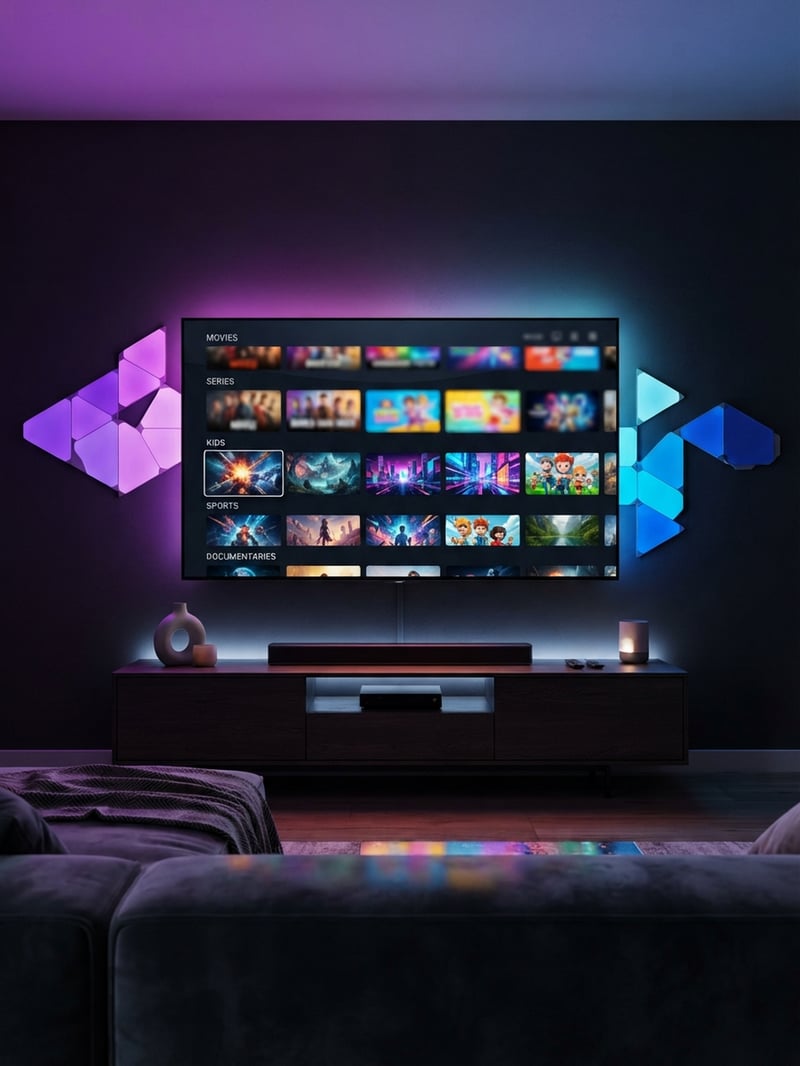
Streaming platforms deliver content at varying maximum quality levels depending on the subscription tier and the specific title. Not all platforms stream at the same maximum resolution and not all content within a platform is available at the platform maximum quality. Understanding these variations ensures you subscribe to the tier that matches your display capabilities without overpaying for quality your equipment cannot reproduce.
Most platforms offer 4K Ultra HD streaming on their premium tiers for compatible content. Not every title on a 4K-capable platform is available in 4K. Older catalog content may be available only in HD or standard definition because 4K masters do not exist for that content. Original productions are typically available in the highest quality the platform supports including 4K with HDR. Check whether the specific content you want to watch is available in 4K before subscribing to a premium tier solely for resolution.
Audio quality varies between platforms with some supporting advanced surround formats including immersive three-dimensional audio while others limit output to standard stereo or basic 5.1 surround. If you have invested in a surround sound system or an immersive audio soundbar verify that your preferred platforms support the audio formats your equipment can decode. A platform streaming in stereo only provides no benefit from a seven-speaker surround system regardless of how capable your audio equipment is.
Streaming bitrate affects perceived quality independently from resolution. Two platforms both streaming at 4K resolution may deliver different visual quality because one uses a higher bitrate that preserves more detail in the compressed stream. Higher bitrate means more data per second which means more visual information retained during compression. Platforms that allocate higher bitrates to their streams produce cleaner more detailed images especially in dark scenes and fast motion sequences where compression artifacts are most visible.
The Rotation Strategy That Gives You Everything at a Fraction of the Cost
The most cost-effective approach to streaming is treating subscriptions as monthly decisions rather than permanent commitments. Every major streaming platform operates month-to-month without contracts. You can subscribe today and cancel tomorrow with no penalties no early termination fees and no questions asked. This flexibility enables a rotation strategy that provides access to every platform catalog over time at a fraction of what maintaining all subscriptions simultaneously would cost.
Choose one or two primary services to maintain continuously. These should be the platforms your household uses most frequently covering your daily viewing habits. Free platforms supplement these primary services for casual browsing. This permanent base costs fifteen to thirty dollars monthly and covers the majority of your regular viewing.
Rotate through additional platforms one at a time for their exclusive content. When a platform releases a new season of a show you follow subscribe for that month and watch it. Browse the rest of the platform catalog during that month and watch anything else that interests you. Cancel at the end of the month and subscribe to a different platform the next month when it releases content you want to watch. Each month you pay for one additional platform beyond your permanent base at ten to fifteen dollars.
Over a calendar year this rotation strategy provides access to six to eight different platform catalogs at a monthly average of twenty-five to forty-five dollars. Maintaining simultaneous subscriptions to those same six to eight platforms would cost eighty to one hundred forty dollars monthly. The annual savings from rotation exceed five hundred dollars while you maintain access to the same total content library spread across the year rather than concentrated into each month. The only requirement is patience. Content that is available this month will still be available when you resubscribe in a few months.
Frequently Asked Questions
Ready to get started?
Try our service risk-free with a 24-hour free trial.
Related Articles

Unlocking British IPTV: Your Comprehensive 2026 Guide
Explore British IPTV subscriptions and troubleshooting tips.

Discover the Top Rated IPTV Services for 2026: A Comprehensive Guide
Uncover the best top rated IPTV services and apps.

Discover the Best IPTV UK Options for 2026: Complete Guide
Uncover the top IPTV UK options for streaming in 2026.