
Best TV for Your Bedroom and How to Pick the Right Size and Features for Relaxed Viewing

IPTVBestStream Editorial Team
IPTV Buying Guides for the UK & Canada
Best TV for Your Bedroom and How to Pick the Right Size and Features for Relaxed Viewing
Your living room television was selected for maximum impact. The biggest screen your budget and wall could accommodate. The brightest panel for afternoon sports in a sun-filled room. The fastest processor for responsive navigation through content libraries. Every specification was optimized for an engaged active viewing experience where picture quality is the primary consideration.
Your bedroom television operates in a completely different context. You watch it lying down propped against pillows at a viewing distance of four to seven feet. The room is dim or completely dark. The content is often background entertainment that accompanies falling asleep rather than the focal point of dedicated attention. The volume is low. The brightness needs to be comfortable rather than impressive. And when you fall asleep mid-episode the television needs to turn itself off rather than playing content to an empty room until morning.
These different usage requirements mean the specifications that justify premium pricing on living room televisions provide minimal benefit in the bedroom. A bedroom TV that costs two hundred dollars can deliver a viewing experience equally satisfying as a bedroom TV costing six hundred because the bedroom environment masks the differences that separate budget from premium displays. This guide helps you identify which specifications actually matter for bedroom viewing and which you can safely ignore to purchase confidently at the most cost-effective price point.
Screen Size Selection for Bedroom Viewing Distances
Bedroom viewing distances are significantly shorter than living room distances which changes the optimal screen size calculation. Most bedrooms place the viewer four to seven feet from the television compared to eight to twelve feet in typical living rooms. A television that feels perfectly sized at ten feet feels overwhelming and uncomfortable at five feet. Selecting the right size for your specific bedroom distance creates a comfortable viewing experience rather than one that strains your eyes or dominates the room.
For viewing distances of four to five feet which is common in smaller bedrooms where the TV sits on a dresser at the foot of a queen bed a thirty-two inch screen fills your field of view comfortably. The image is large enough for engaged viewing while small enough that your eyes can take in the full screen without scanning. At this distance a thirty-two inch 1080p panel produces pixel density sharp enough that individual pixels are invisible delivering a clean detailed image.
For viewing distances of five to seven feet which is common in medium bedrooms with wall-mounted TVs positioned slightly further from the bed a forty to forty-three inch screen provides the ideal balance. The screen fills enough of your field of view to feel immersive without overwhelming at the closer end of the distance range. This size is the most popular bedroom TV format because it fits standard bedroom wall space and dresser widths while providing a meaningfully larger image than thirty-two inch models.
For larger master bedrooms with viewing distances of seven to nine feet a fifty inch screen works well. This size approaches living room territory and benefits from 4K resolution at these larger dimensions where the increased pixel density produces visibly sharper images than 1080p. Above fifty inches in a bedroom the screen begins to feel disproportionate to the room and may dominate the wall creating a visual weight that feels uncomfortable in a space designed for relaxation.
Panel Brightness and Why Lower Is Actually Better for Bedroom Viewing
Living room TV reviews praise panels that reach one thousand nits or higher because bright rooms demand bright displays to overcome ambient light competition. Bedroom viewing inverts this priority entirely. Most bedroom watching occurs in dim or completely dark conditions where a panel producing five hundred nits at maximum setting feels blindingly bright and a comfortable viewing level sits at one hundred fifty to two hundred fifty nits.
Budget televisions that reviewers criticize for insufficient peak brightness in living room evaluations actually produce ideal brightness levels for bedroom use. A panel that peaks at three hundred nits which would be considered dim for a bright living room delivers more than enough light for a dark bedroom while maintaining the ability to dim to comfortable levels for bedtime viewing. The specification that makes a TV seem inferior in a showroom comparison makes it functionally perfect in a bedroom.
More important than peak brightness is minimum brightness capability. Some televisions cannot dim their backlight below a certain threshold meaning even at the lowest brightness setting the screen glows uncomfortably bright in a pitch-dark bedroom. Before purchasing test whether the TV can dim to a level comfortable for dark room viewing. Budget models with direct-lit LED backlights typically dim lower than edge-lit models because the backlight LEDs can reduce power output more aggressively without producing uneven illumination artifacts.
OLED panels excel in bedroom environments because each pixel produces its own light and dims to absolute zero for true black. OLED televisions in thirty-two to forty-eight inch sizes deliver stunning dark room picture quality with perfect blacks and no backlight glow. The premium cost of OLED is harder to justify in a bedroom context unless dark room picture quality is a genuine priority for your bedside viewing. For most bedroom viewers a budget LED panel at comfortable brightness levels delivers a perfectly satisfying experience at a fraction of the OLED price.
Smart Platform Performance Matters More in the Bedroom Than Anywhere Else
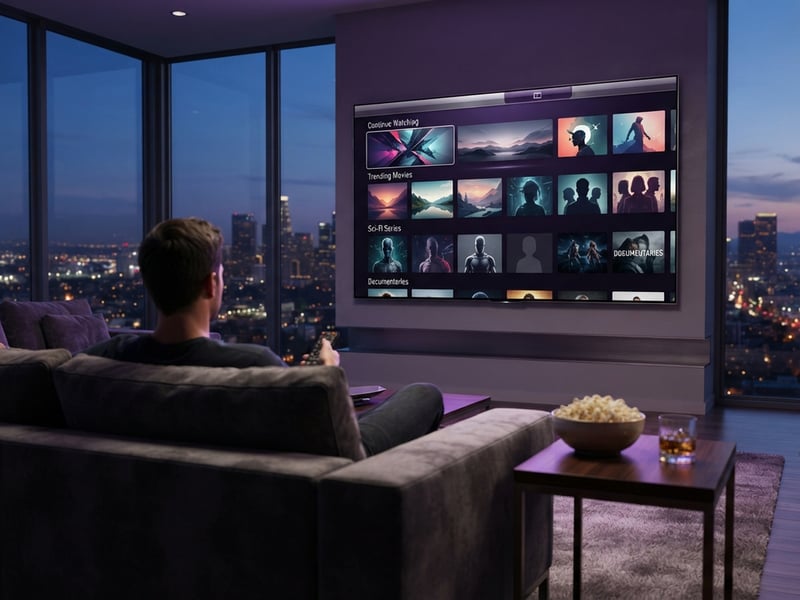
In the living room a slow smart TV platform is a minor annoyance because most enthusiasts connect an external streaming device that provides a faster alternative interface. In the bedroom a slow smart platform is a major frustration because the whole point of a bedroom TV is simplicity. You want to grab the remote press a button and start watching within seconds. No external device remote to find. No input switching. No additional power cables or HDMI connections cluttering the nightstand or dresser. The built-in smart platform is the only interface you interact with.
Prioritize smart platform responsiveness when selecting a bedroom TV by testing navigation speed in store or reading reviews that specifically evaluate platform performance. A TV that takes five seconds to launch an app in the showroom will take five seconds every night when all you want to do is start your show and settle into bed. That five-second delay repeated across hundreds of nightly viewing sessions accumulates into genuine irritation.
Roku-powered bedroom TVs consistently deliver the fastest and most responsive smart platform experience at budget price points. The Roku operating system is lightweight and runs smoothly on the modest processors found in budget hardware. App launches are fast. Menu navigation is fluid. The home screen is clean and uncluttered. For a bedroom TV where the smart platform defines the entire interaction experience Roku provides the least frustrating daily use.
Verify that the smart platform includes every streaming app you use before purchasing. Most platforms carry all major streaming apps but some regional or specialty apps may not be available on every platform. Check the app store for your specific services particularly if you use niche or international streaming platforms that are not guaranteed on all smart TV operating systems.
Sleep Timer and Auto-Shutoff Features for Falling Asleep to Content
The single most important bedroom-specific feature is a reliable sleep timer that automatically powers off the television after a set duration. Falling asleep while watching is not an edge case in bedroom viewing. It is the primary use case for the majority of bedroom TV sessions. A TV without a functional sleep timer plays content all night consuming electricity producing light and sound that disrupts sleep quality and running up streaming data consumption for content nobody is watching.
Every modern smart TV includes a sleep timer in the settings menu. Access it through Settings then System then Sleep Timer or through a dedicated timer button on the remote. Set the duration to thirty sixty or ninety minutes depending on how long you typically watch before falling asleep. When the timer expires the TV powers off completely entering standby mode that produces no light or sound.
Some smart TV platforms include a more sophisticated sleep detection feature that monitors whether anyone is still watching by detecting motion or remote activity. If no remote button has been pressed for a configurable period the TV displays a prompt asking whether to continue playing or power off. If no response is received the TV powers off automatically. This adaptive approach works better than a fixed timer because it does not interrupt viewing if you are still awake while still catching unattended playback if you have fallen asleep.
Audio settings for bedtime viewing should be adjusted separately from daytime settings. Reduce the volume to a level that is audible from your pillow position but low enough that it fades into background as you drift off. Some TVs offer a night mode audio preset that compresses the dynamic range reducing loud peaks while maintaining dialogue clarity. This prevents sudden volume spikes from explosions or music from jolting you awake during a sleep viewing session.
Wall Mounting vs Stand Placement for Optimal Bedroom Viewing Angles
The viewing angle from a bed differs significantly from the viewing angle on a living room couch. On a couch you sit upright looking straight ahead at a TV mounted at eye level. In bed you recline at various angles looking slightly upward at a TV positioned above foot-of-bed height. This angled sightline affects both comfort and picture quality depending on how the TV is mounted.
Wall mounting the bedroom TV on the wall facing the bed at a height slightly above the foot of the bed produces the most versatile viewing experience. A tilting wall mount allows you to angle the TV face downward toward the bed creating a direct sightline from your reclined pillow position. Without a downward tilt the TV face points straight outward which is fine when sitting upright but produces an off-axis viewing angle when reclined that can reduce contrast and color accuracy on some panel types.
Full-motion articulating wall mounts provide the maximum flexibility for bedroom installations allowing you to pull the TV away from the wall tilt it downward swivel it left or right and push it flat against the wall when not in use. These mounts cost more than simple tilting mounts but the adjustability lets you optimize the viewing angle for any position in bed from sitting upright against the headboard to lying flat on your back.
Dresser or stand placement works well when the dresser sits at the foot of the bed and the TV sits at a height that roughly aligns with your eye level when reclined against pillows. This height is typically twenty-four to thirty-six inches from the floor depending on your bed height and pillow arrangement. If the dresser places the TV too low or too high the viewing angle becomes uncomfortable during extended viewing sessions. Test the sightline by lying in your normal viewing position and evaluating whether the TV center falls within a comfortable gaze angle before committing to the placement.
Audio Solutions for Bedroom TVs Without Disturbing Others
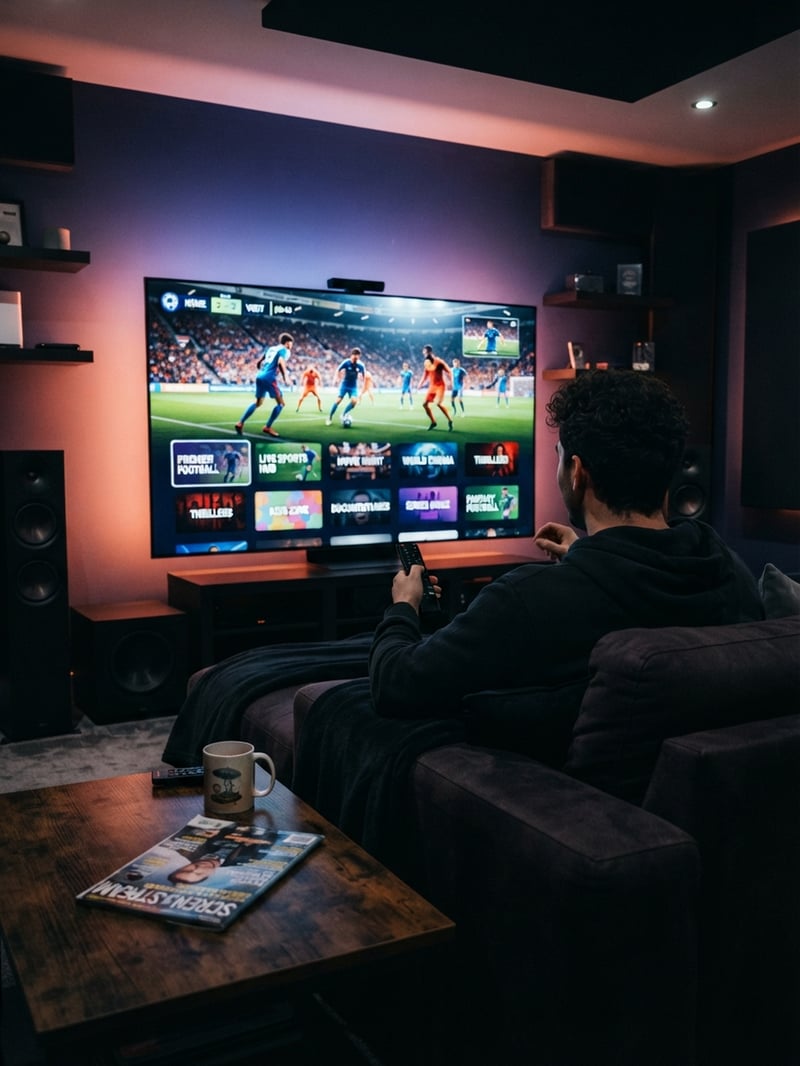
Bedroom TV audio faces a unique constraint that living room audio does not. The sound must be loud enough for the viewer in bed to hear clearly while quiet enough that it does not disturb a sleeping partner in the same bed or family members in adjacent rooms. This narrow volume range makes audio clarity at low volume the critical specification rather than maximum volume output or bass impact.
Built-in TV speakers on budget models produce adequate bedroom audio when dialogue clarity is the primary requirement. Position the TV so the speakers face toward the bed rather than toward a side wall. Many flat-panel TVs fire their speakers downward or rearward which directs sound away from the viewer and toward surfaces that absorb or scatter the audio. A small gap between the TV and the wall when wall-mounted allows rear-firing speakers to reflect sound forward improving perceived clarity.
A compact soundbar dramatically improves bedroom audio clarity at low volumes compared to built-in TV speakers. Small soundbars designed for bedroom use measure twenty to thirty inches wide and produce clear dialogue-forward audio that remains intelligible at whisper-quiet volume levels. Connect the soundbar through HDMI ARC so the TV remote controls soundbar volume directly. Night mode or dialogue enhancement settings on the soundbar compress the dynamic range ensuring explosions and music do not spike louder than dialogue.
Wireless headphones provide the ultimate solution for bedroom viewing when a partner is sleeping. Connect Bluetooth headphones directly to the TV if it supports Bluetooth audio output. The viewer hears full-quality audio at any desired volume while the room remains completely silent. This approach eliminates every sound disturbance concern and allows late-night viewing at full volume without affecting anyone else in the room or adjacent rooms.
Budget Bedroom TV Recommendations That Deliver Premium Comfort
The bedroom viewing environment minimizes the visible differences between budget and premium televisions making budget models the smart purchasing choice for bedside use. The specifications that separate a two hundred dollar TV from an eight hundred dollar TV are peak brightness contrast ratio color gamut width and motion processing sophistication. In a dark bedroom at close viewing distances with relaxed content consumption these specifications produce negligible visible differences compared to their dramatic impact in bright living room environments.
Thirty-two inch budget smart TVs at one hundred twenty to one hundred eighty dollars deliver excellent bedroom performance for smaller rooms. At this size and typical bedroom distances 1080p resolution produces a sharp detailed image. Built-in smart platforms provide access to every streaming app without external devices. The compact size fits dresser tops nightstands and small wall spaces without dominating the room aesthetics.
Forty to forty-three inch budget smart TVs at one hundred eighty to two hundred eighty dollars represent the sweet spot for medium bedrooms. 4K resolution becomes available at this size in the budget range providing visible sharpness improvement on screens sitting at the larger end. The additional screen area enhances the viewing experience meaningfully over thirty-two inches while remaining appropriately scaled for bedroom proportions.
Fifty inch budget smart TVs at two hundred fifty to three hundred fifty dollars suit large master bedrooms where viewing distances approach living room territory. At fifty inches 4K resolution delivers its clearest benefit with fine detail visible from the pillow position. This size bridges the gap between a dedicated bedroom TV and a secondary living room display making it versatile for rooms that serve both sleeping and entertainment purposes throughout the day.
Frequently Asked Questions
Ready to get started?
Try our service risk-free with a 24-hour free trial.
Related Articles
Streaming Service Comparison and How to Pick the Right Platforms for Your Household
An honest comparison of streaming service categories covering content library strengths and pricing structures and device compatibility and simultaneous stream limits and which platforms deliver the best value for different household types.
Unlocking British IPTV: Your Comprehensive 2026 Guide
Explore British IPTV subscriptions and troubleshooting tips.
Discover the Top Rated IPTV Services for 2026: A Comprehensive Guide
Uncover the best top rated IPTV services and apps.